I’ve had guests call me from a flooded airstrip in Amboseli, watching their bush plane get diverted because the runway had turned to soup. That’s the honest picture of the worst time to visit Kenya on safari. It’s not that the country shuts down. It’s that the roads, the animals, and sometimes the flights all get harder to work with at once.
If you’re planning your first trip, here’s the plain truth about when to avoid, when to gamble, and why.
The Long Rains: The Worst Time to Visit Kenya on Safari
Late March through May is the answer most guides give, and they’re right. This is Kenya’s long rains season, and it’s the one stretch I tell first-time travelers to skip if they want a straightforward trip.
Rain falls most afternoons, sometimes for hours. April is usually the wettest month across the Maasai Mara, Amboseli, and the central highlands. May tends to ease off in the second half, which is why some camps start reopening around then.
This isn’t a light drizzle. Nairobi can get over 200mm of rain in April alone, and parts of the Mara ecosystem see similar totals. That much water changes everything about how a safari day actually runs.
The Short Rains: A Smaller Dip in November and December
November and the first half of December bring Kenya’s short rains. They’re shorter and less intense than the long rains, usually an hour or two of rain in the late afternoon rather than all-day downpours.
Most camps stay open through this period, and plenty of seasoned travelers actually prefer it. Skies clear fast, the light turns dramatic for photos, and by mid-December the rains are tapering off just as the Christmas high season begins.
I’d call the short rains a soft caution, not a real warning. The long rains are the season to plan around carefully.
Why Rain Actually Ruins a Safari
It’s not the rain itself. Nobody minds an afternoon shower from the deck of a lodge. It’s what the rain does to everything around it.
Roads turn first. Many park tracks are unpaved murram or dirt, and once they’re soaked, vehicles slip, sink, and sometimes need a tow from another car. A same-day game drive in Nairobi National Park can go from smooth to genuinely stuck in under an hour once the rain starts.
Airstrips go next. Small bush planes need dry, firm ground to land safely, and a soaked strip means delayed or cancelled flights. I’ve rebooked guests overland from Nairobi to the Mara, a five to six hour drive, because their flight into Musiara or Olkiombo airstrip couldn’t land.
Camps close too. It’s common for tented camps in the Mara Triangle and Mara North Conservancy to pause for two to three weeks somewhere between mid-April and late May, doing annual refurbishment while guest numbers are lowest. Camps like Angama Mara and Governors’ Camp have historically closed for stretches during this window, though exact dates shift year to year, so always confirm before booking. Fewer open camps means fewer choices and less flexibility if your first pick is shut.
If you do travel in this window, vehicle choice becomes a real factor, not just a preference. This is why vehicle choice matters more on muddy rainy-season roads, especially in the Mara’s black cotton soil.
Wildlife Dispersal: Why Sightings Get Harder
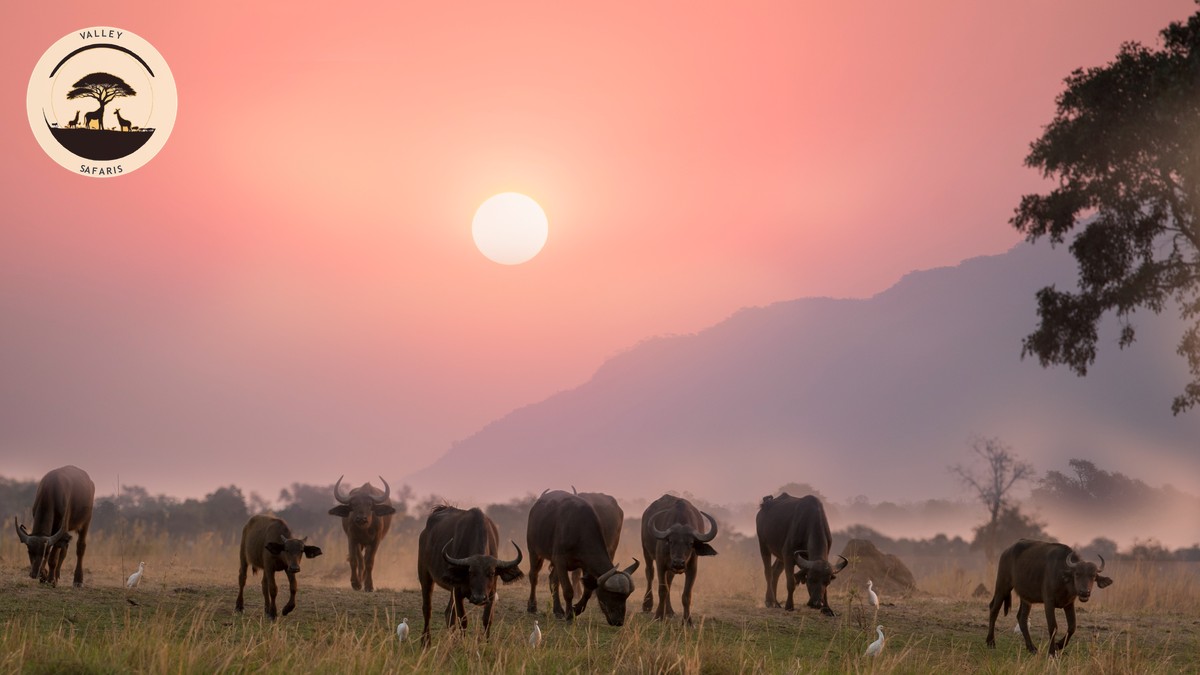
Here’s the part first-timers don’t expect. During the rains, water and grass are everywhere, not just around the rivers and waterholes. Animals that normally cluster near a handful of water sources spread out across the whole landscape.
That means longer drives and more searching for the same sightings you’d get in twenty minutes during the dry season. Predators are harder to spot in grass that’s grown tall and green. If you’re chasing a first look at lions, leopards, and rhino in a short trip, this works against you.
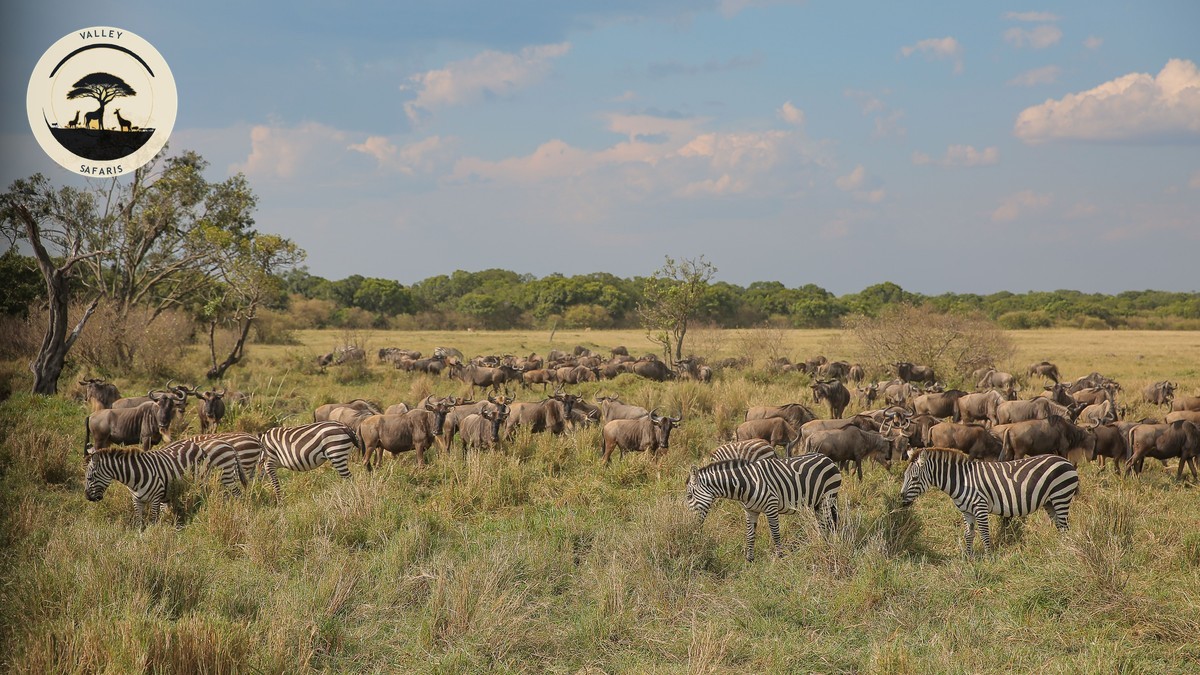
The wildebeest migration follows its own separate calendar, and it’s worth checking before you commit to dates. If wildlife density in the Mara is your main goal, track where the migration actually is before you book rather than relying on general season advice alone.
Which Parks Handle Rain Best?
Not every park suffers equally. Soil type makes a huge difference, and this is where most generic guides stop short. Here’s how the major parks actually compare.
| Park | Distance from Nairobi | Typical Drive Time | Terrain in the Rains | Non-Resident Park Fee (indicative) |
|---|---|---|---|---|
| Maasai Mara | ~270 km | 5-6 hours by road | Black cotton soil, very slick and often impassable | ~USD 80-100/day, confirm current rate |
| Amboseli | ~240 km | 4 hours by road | Volcanic sand, drains fairly well but swamps flood | ~USD 60/day |
| Tsavo East | ~330 km | 4-5 hours by road | Red laterite, slippery but wide graded roads | ~USD 52/day |
| Samburu | ~325 km | 5-6 hours by road | Rocky and sandy, drains fastest of the major parks | ~USD 70/day |
| Lake Nakuru | ~160 km | 3 hours by road, mostly tarmac | Murram roads, forested sections get muddy | ~USD 60/day |
Samburu is the one I point cautious travelers toward if they’re set on April or May dates. The ground is rockier and sandier than the Mara’s clay-heavy soil, so it holds up better after a storm. The Mara, beautiful as it is, has the worst driving conditions of any major park once the rains set in.
Who Should Still Book the “Worst” Months
I won’t tell every guest to avoid April and May. Some of my favorite trips I’ve planned happened in exactly that window.
Photographers do well here. Dramatic skies, storm light, and newborn animals make for strong images, and you’ll often have a whole stretch of riverbank to yourself. Birders love it too, since migrant species and breeding plumage peak during the wet months.
Budget travelers benefit the most in plain financial terms. Camp rates commonly drop 20% to 40% below high season pricing from April through most of May, and again in November. A mid-range Mara camp charging 45,000 KES per person per night in August might come down closer to 28,000 to 32,000 KES in April.
Who should avoid it? Honeymooners hoping for guaranteed clear skies, and first-time visitors on a short trip who want reliable big-five sightings without long searches. If this is your one big safari, I’d steer you toward June through October or the January to February dry window instead.
Weather in any given year isn’t fixed, either. It’s worth reading how El Niño could shift 2026 rainfall patterns before locking in dates months out, since an El Niño year can push rainfall totals well above average.
The Valley Safaris Difference
Anyone can hand you a chart that says “avoid April.” What we do differently is match the month to the traveler, not the other way around.
When you book with us, we check real conditions before we confirm your route. That means knowing which specific camp is closed that week, whether a particular airstrip has been landing planes reliably, and whether the Mara Triangle or the Ol Kinyei side of the conservancy is holding up better after the last storm.
We’ve rerouted guests around flooded sections of road with a few hours’ notice, and we’ve also sent photographers into the “worst” week of April on purpose, because that’s when they got the shot they wanted. Every itinerary we build accounts for the season you’re actually traveling in, not a generic average.
Ready to Plan Around Kenya’s Weather?
The worst months to visit Kenya on safari aren’t a reason to give up on your trip. They’re a reason to plan it with someone who knows which roads are open this week. Get in touch through our contact page or browse our Kenya safari tours and let’s find the dates, and the parks, that actually fit what you want to see.